Chile hasn't decided what kind of data center it wants
There are two data center models and they aren't compatible: one requires bulk transmission that will take five to six years; the other only needs contracts that don't yet exist. Infrastructure decisions are being made using the headline number.
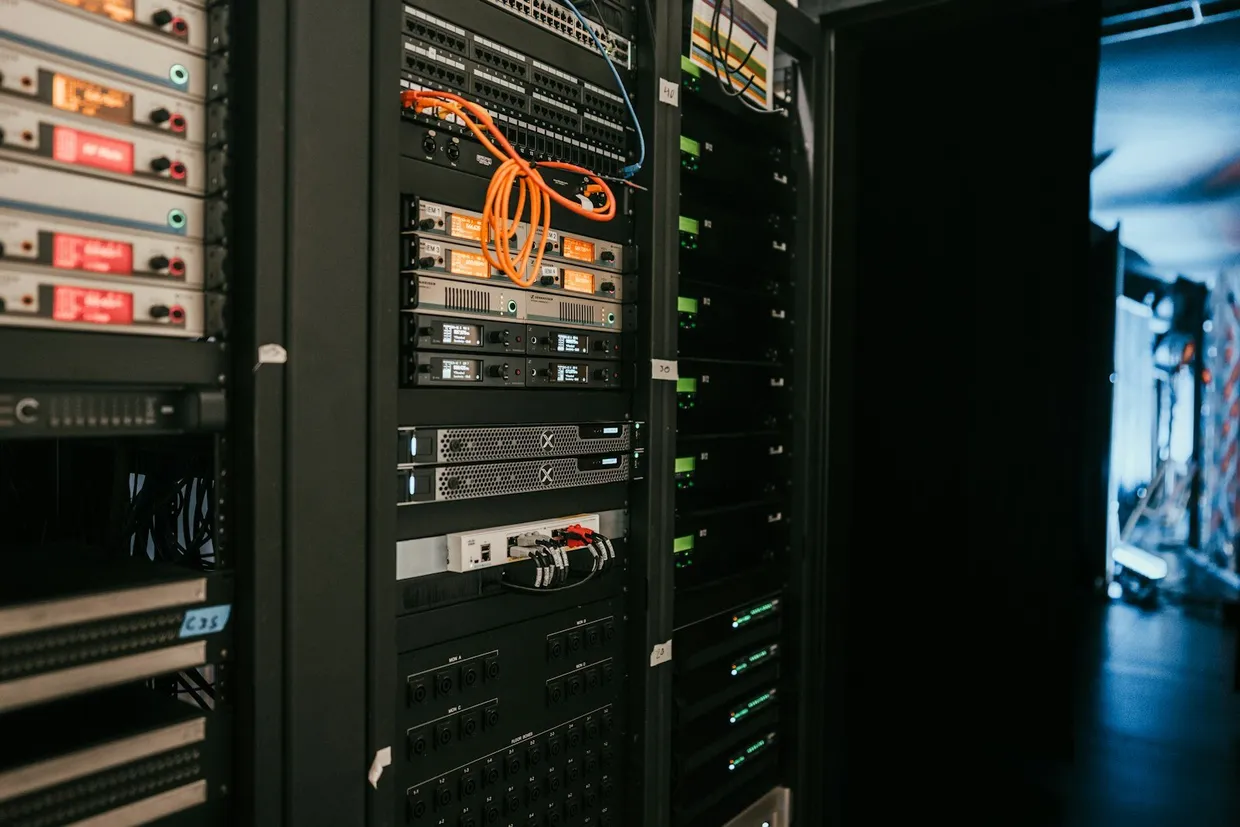
Chile is debating how to attract data centers without having settled a prior question: what kind of data center. There are two models, they aren’t compatible with each other, and each demands different infrastructure.
Two models, two different challenges
Firm load. High criticality, 24/7 operation, zero tolerance for downtime. The constraint here is bulk transmission. Systep put it plainly in its analysis of data centers: connecting facilities above 50 MW requires new or expanded transmission works, with planning timelines of five to six years.
Flexible load. Model training, batch processing, deferrable operations. It can run when energy is abundant and cheap. Google already operates systems that reschedule compute load in real time based on grid conditions, and a study published in Nature Energy (2025) showed it’s possible to cut consumption by 25% during peak hours without degrading AI service quality.
The difference is decisive: the first model waits on physical build-out that nobody in the room controls. The second doesn’t need more grid — it needs contracts that don’t exist today.
Chile has marginal costs trending toward zero during solar hours across a growing share of the year. That is exactly the energy the second model needs. And the commercial instruments to offer it do not yet exist.
The disconnect nobody is talking about
Chile’s grid operator (Coordinador Eléctrico Nacional, CEN) projects 270% growth in this demand by 2030. The concrete projects under evaluation in Chile run 30 to 50 MW per facility.
There’s a wide gap between the potential being announced and the pace at which projects actually get signed. The projection may well be right; what matters is that electrical infrastructure decisions are being made using the headline number, while the pipeline actually moving forward has a different order of magnitude and a different timeline.
Telling one figure from the other isn’t an academic exercise. It determines whether a grid reinforcement investment is justified today, in three years, or whether the real constraint was somewhere else entirely.
Two frictions resolving themselves
Two of the arguments that held back investment have lost force while public debate stayed focused on them.
Water: Microsoft standardized closed-loop, zero-evaporation cooling in its new designs as of August 2024. The water objection — particularly sensitive in northern Chile — now has a technical answer it didn’t have two years ago.
The perception of flat demand: that changed with the token economy. If an AI operator’s revenue fluctuates second by second, rigid energy contracts stop being a convenience and become a structural friction in their business model. That opens the door to contract structures that until recently had no demand.
What’s left to decide
There’s no shortage of sun in the north. What’s missing is deciding for whom — and with what commercial instrument that energy gets sold when the buyer can shift its own consumption.
This is a matter of regulatory and contractual design, not physical build-out, and that’s precisely why it can be settled on a different timeline than transmission. Whoever resolves it first defines what kind of demand lands in Chile over the coming decade.