Designing tomorrow's Chilean power system today
Chile's February 2025 nationwide blackout exposed an uncomfortable truth: the energy transition isn't enough if the system can't take a hit, adapt, and recover quickly. Three threats and four courses of action to make resilience a national priority.
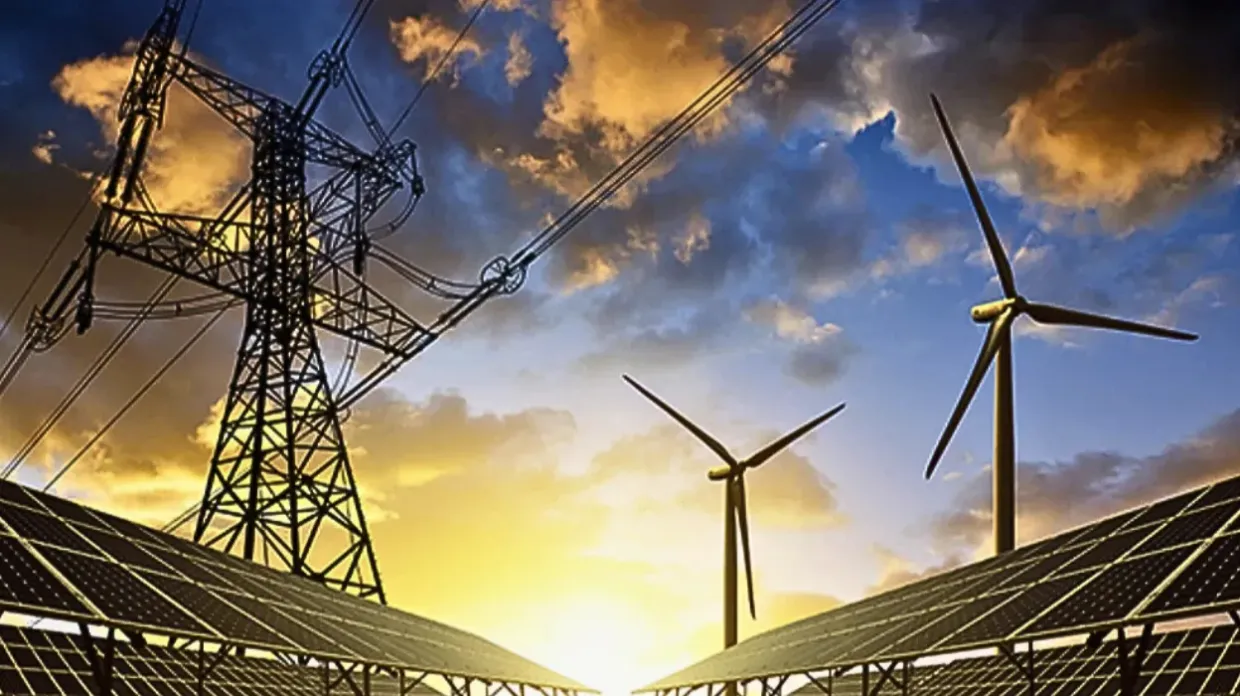
Chile has been a Latin American benchmark in the energy transition, with renewables now exceeding 60% of its power generation. Yet on the eve of a new presidential cycle, it’s time to take a further step: making resilience a central pillar of national energy strategy. Because advancing clean energy isn’t enough if the system can’t withstand shocks, adapt, and recover quickly.
The recent blackout of February 25, 2025 — which cut power to 98.5% of the population, from Arica to Los Lagos, for nearly eight hours — is an unavoidable warning sign. A failure in a 500 kV transmission line triggered a cascading failure that exposed how vulnerable a system can be when its stability is undermined by a localized but high-impact fault. This event should be the turning point for rethinking the country’s energy architecture.
Three threats to anticipate
Overload from accelerated electrification. Carbon neutrality demands an electrified country: heating, transport, industrial processes. That means smarter, more robust grids. Germany, with more than 100 GW of installed solar capacity, faces an oversupply risk of up to 3 GW this Easter weekend 2025, driven by massive residential solar generation and low holiday demand, as analyzed by Handelsblatt Green & Energy in its recent episode “Strom aus wegen des Solar-Boom?” (April 8, 2025). Facing these challenges, there are solutions such as distributed storage systems, smart inverters, and zonal grid-management plans. Chile must get ahead of these challenges, which will arrive inevitably as the country’s renewable penetration keeps growing.
Exposure to geopolitical and price shocks. Volatility in global energy markets is structural and can be worsened by political decisions. As Jason Furman argues in the recent Columbia Energy Exchange episode “Trade War Turbulence and Clean Energy” (April 15, 2025), tariffs and trade restrictions can significantly impact access to key technologies like batteries and solar panels. Chile, with a high degree of fossil fuel imports, must build a foundation of independence: strategic storage, renewable backup contracts, and source diversification to reduce dependence on any single origin or technology.
Cybersecurity and extreme events. Energy security risks have intensified globally. The Redefining Energy episode “The new age of Energy Security, Flexibility, and Resilience” (March 2025) documents how sabotage of undersea cables in the Baltic and extreme weather events affecting a third of Ireland’s grid exemplify growing physical vulnerabilities. At the same time, in 2024, cyberattacks hit power systems in the US, Eastern Europe, and Asia, disrupting the operation of substations and generation plants. Chile, with a highly automated system, must advance applied cyberdefense, predictive monitoring, and zonal response protocols for extreme scenarios and deliberate attacks.
Four courses of action for a more resilient system
Grid modernization and strategic storage. Incentivize short-duration (BESS) and long-duration (LDES) storage, grid-forming systems, and the integration of microgrids in isolated areas — not just as backup, but as active elements of flexibility. Well integrated, these systems not only stabilize the grid but can also provide ancillary services that improve system reliability.
Regulatory sandboxes and Chile as a laboratory. Emerging technologies such as liquid air energy storage (LAES) show that, while the current regulatory framework isn’t 100% suited to them, it’s precisely in this space that a path can be built for implementing transformative solutions. Chile has the opportunity to create regulatory frameworks that allow the gradual, responsible adoption of innovative technologies that genuinely deliver strategic value — especially where the market alone wouldn’t ensure their implementation for strictly commercial reasons.
Regional interconnection and redundancy. Explore new interconnections with Argentina and Peru, not just for electricity trade, but as mutual-backup mechanisms in critical situations. Redundancy isn’t an expense, it’s protection. Interconnections function as “stability insurance” that can be activated in contingency situations, as Europe’s experience shows.
Protection of critical infrastructure. Map vulnerabilities, invest in cyberdefense, and establish business continuity plans that include drills and zonal response scenarios. The experience of countries like Estonia, which has faced cyberattacks on its critical infrastructure, shows that preparation isn’t optional — it’s essential.
A long-term national strategy
Chile has the opportunity to develop a resilient energy system that ensures the continuous operation of critical infrastructure and supports the mass electrification of essential services like transport. What good is an ambitious EV adoption target if power supply can’t be guaranteed during disruptive events? The transition isn’t just technological — it’s strategic. It requires vision, leadership, and the will to get ahead of what’s coming.
The challenges the energy transition presents in Chile aren’t mere obstacles; they represent unique opportunities for innovation in business models and public policy. The landscape is open for entrepreneurs and visionary companies that can offer solutions tailored to the specific needs of the Chilean market and, potentially, replicable in other global contexts.
The energy challenges the country faces demand a commitment to fair, sustainable, and resilient growth. Chile’s energy sector has the potential to become a 100% emissions-free system that operates reliably 24 hours a day. “Putting the sun in the night” isn’t just a metaphor: it’s the technical and strategic imperative to be solved, with resilience as the cornerstone of tomorrow’s power system.
On the eve of a new political cycle, energy resilience should rank among the strategic priorities of Chile’s future leaders. Energy can no longer be a secondary issue on presidential agendas. Recent history shows that power-system vulnerabilities are also vulnerabilities of the country’s economy, security, and well-being.
This challenge isn’t only for the public sector. Private companies and entrepreneurs in the energy sector have the responsibility and the opportunity to develop innovative solutions with the country’s interest in mind. Alongside profitable projects, the sector needs initiatives that build long-term resilience and sustainability. Professionals in the sector are called to be active participants in this transformation, contributing experience, knowledge, and commitment to tomorrow’s Chilean power system.
Only by working together across government, business, and civil society will it be possible to build an energy system equal to the challenges of the future. Those who understand this reality today will be the ones who steer the transition toward a Chile that is energy-secure, clean, and resilient.